
Do You Need a Permit to Install a Fence in Cleveland, Ohio?
Installing a fence can add privacy, security, curb appeal, and a safe place for children or pets to enjoy the yard. But before choosing between wood, vinyl, chain-link, or ornamental fencing, Cleveland-area homeowners have another important question to answer: Do you need a permit to install a fence?
If you live in the City of Cleveland, the answer is yes. Cleveland requires a permit to erect a fence, along with a site plan showing information such as property boundaries, the fence's location and height, the type of fence, and its proximity to structures on neighboring properties.
However, Cleveland isn't the only municipality with its own fence requirements. Cities and suburbs throughout Northeast Ohio can establish different rules regarding permits, fence heights, placement, and other restrictions. That's why checking the requirements for your specific property should be one of the first steps in planning a new fence.
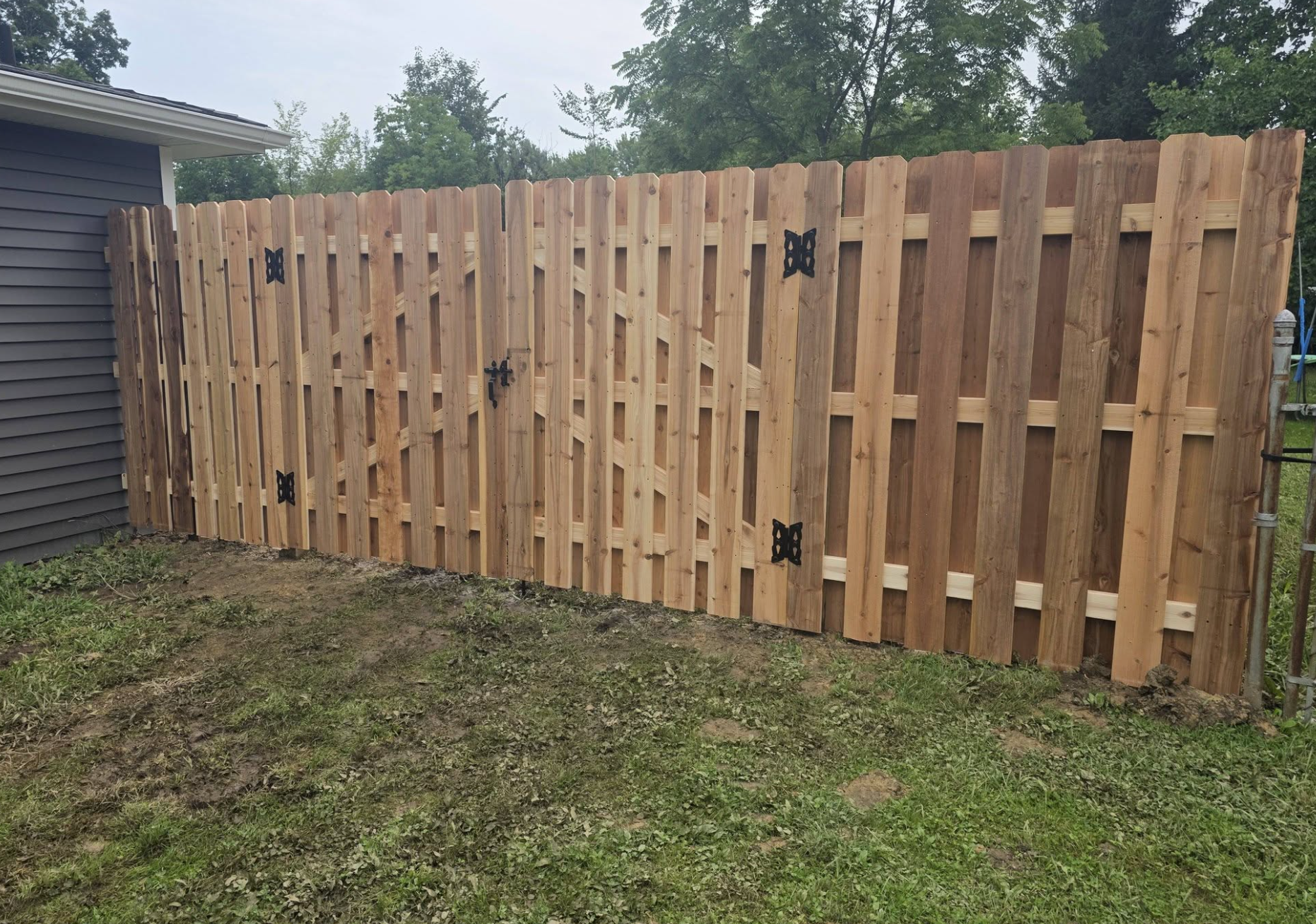
Do You Need a Fence Permit in Cleveland?
Yes. The City of Cleveland requires homeowners to obtain a permit before installing a fence.
As part of the application process, the city requires a site plan drawn to scale. The plan must provide details including:
The property address
Property lines and dimensions
Locations of existing buildings and fences
Proposed fence location
Fence material
Fence height
Fence length
Distance from nearby buildings on adjacent properties when applicable
A site plan helps the city determine whether the proposed fence complies with applicable zoning and building requirements before installation begins.
This is an important distinction for homeowners who may assume that because a fence is located entirely on private residential property, no municipal approval is necessary. In Cleveland, a fence is considered an outdoor installation that requires permitting.
How High Can a Fence Be in Cleveland?
Where you plan to install the fence can affect how tall it is permitted to be.
Cleveland's residential fence regulations generally distinguish between fences in front yards, side yards, and rear yards. For example, fences in actual front yards generally cannot exceed four feet in height and must meet openness requirements. Fences in rear yards and interior side yards may generally reach up to six feet and may be open or solid.
Corner lots can have additional considerations because a side yard facing a street may be subject to different height, setback, and openness requirements.
That means a six-foot privacy fence that may be appropriate for the backyard isn't necessarily permitted in the front yard or along every portion of the property.
Before selecting a fence height or design, homeowners should determine how local zoning rules apply to the specific location where the fence will be installed.
Can You Put a Fence on the Property Line?
Property lines are one of the most important considerations when installing a fence.
A property line marks the legal boundary between neighboring parcels, and assuming where that line falls can create problems. Existing landscaping, mowing patterns, old fences, and even driveways aren't always reliable indicators of the legal boundary.
Cleveland's fence permit requirements specifically ask applicants to identify dimensioned property lines on the site plan. If a fence will be located on a property line, additional information about its distance from buildings on neighboring property may also be required.
Before installing a fence, make sure the property's boundaries are accurately identified. Depending on the property and municipality, an existing boundary survey may be helpful or required.
Taking care of property-line questions before installation is much easier than discovering afterward that a fence was installed in the wrong location.
Fence Rules Can Vary Throughout Greater Cleveland
One of the biggest mistakes homeowners can make is assuming that fence regulations are the same throughout Northeast Ohio.
They aren't.
Cleveland, Berea, Parma, Strongsville, Middleburg Heights, North Olmsted, and other surrounding communities can establish their own zoning and permit requirements.
For example, Berea requires a permit for fence installation and asks applicants to submit a plot plan showing property lines, the proposed fence location, and the type of fence. Berea also has specific requirements that can affect fences installed on or near property lines.
Parma also requires an application and site plan for residential or commercial fences. Its requirements include additional documentation concerning property boundaries.
The takeaway is simple: check the rules for the municipality where the property is located rather than relying on general Ohio fence information.
Local requirements can affect:
Whether a permit is necessary
Maximum fence height
Fence placement
Setbacks
Acceptable fence styles or materials
Visibility near streets and intersections
Property-line documentation
Inspections
Contractor requirements
Requirements can also change, so homeowners should confirm current regulations before beginning a project.
Do You Need a Survey Before Installing a Fence?
Not every fence installation automatically requires a brand-new property survey, but knowing the correct property boundaries is critical.
Some municipalities may require specific documentation regarding property lines as part of the permit process. Even when a new survey isn't required, a homeowner should be confident about the location of the legal boundary before fence posts go into the ground.
A survey may be particularly valuable when property markers cannot be located, neighboring properties are close together, the existing fence doesn't appear to follow the boundary, or there is disagreement about where one property ends and another begins.
Installing a fence first and resolving a boundary dispute later can become an expensive mistake.
What About HOA Fence Rules?
Municipal approval isn't necessarily the only requirement that applies to a new fence.
If your home is part of a homeowners association, the HOA may have separate rules governing fencing. These restrictions might address fence materials, colors, styles, heights, or locations.
Receiving HOA approval also doesn't necessarily eliminate municipal requirements. Homeowners may need to comply with both their HOA rules and applicable city zoning and permit regulations.
Review your HOA documents before purchasing materials or finalizing a fence design.
Call Before You Dig
Fence installation involves digging multiple post holes, which makes underground utilities another major consideration.
Electric, gas, water, telecommunications, and other utility lines may run beneath areas where fence posts are planned. Hitting one can be dangerous and can lead to costly damage.
Ohio homeowners and contractors should have underground utilities marked before digging. This allows the installation team to identify marked utility locations and plan the project accordingly.
Utility marking and property boundaries are also two different things. Having utilities marked does not establish the legal location of a property line.
What Happens if You Install a Fence Without a Permit?
Skipping required permits can create unnecessary complications.
A fence that doesn't comply with local requirements could potentially result in a violation and require corrections. In some circumstances, resolving the problem could mean modifying, relocating, or removing portions of a fence.
Unpermitted work can also become an issue later when selling a home or making other improvements to the property.
Getting the necessary approvals before installation helps avoid these problems and gives homeowners greater confidence that their new fence complies with local requirements.
What Should You Do Before Installing a Fence?
A little preparation can make the fence installation process significantly smoother. Before construction begins:
Decide what you want the fence to accomplish. Privacy, security, pet containment, appearance, and defining outdoor living areas may call for different fence styles.
Confirm your property boundaries. Don't assume an existing fence, landscaping, or mowing line represents the legal property line.
Check municipal requirements. Determine which permits, plans, and approvals are required for your address.
Review HOA restrictions. If your neighborhood has an HOA, check its fencing standards as well.
Choose the right fence material. Consider appearance, maintenance, durability, privacy, and budget when comparing wood, vinyl, chain-link, and ornamental options.
Have underground utilities marked. Utility locations should be identified before post holes are dug.
Work with an experienced local fence contractor. A contractor familiar with Greater Cleveland properties can help you plan an installation suited to your yard, goals, and local conditions.
Choosing the Right Fence for Your Cleveland-Area Home
Once you've addressed permits and property requirements, you can focus on the fun part: choosing your fence.
A wood privacy fence can create a traditional, secluded backyard. Vinyl offers privacy with relatively low maintenance. Chain-link fencing provides a practical way to secure a property or create an enclosed area for pets. Ornamental fencing can provide security and definition while maintaining an open, polished appearance.
There isn't one fence that's right for every Cleveland-area home. The best option depends on your property, budget, preferred level of maintenance, and what you want your new fence to accomplish.
Planning a New Fence in Greater Cleveland?
Fence installation involves more than choosing a material and deciding where you want the gate. Property lines, local permits, zoning requirements, utilities, fence height, and placement can all affect the project.
All Outdoor Fence & More provides professional fence installation throughout Greater Cleveland, including wood, vinyl, chain-link, and ornamental fencing. Whether you're looking for more backyard privacy, a secure space for your pets, or a fence that adds the finishing touch to your property, an experienced local fence installer can help you find an option that works for your home.
Ready to start planning your new fence? Contact All Outdoor Fence & More to discuss your property, fencing options, and installation needs.